Biomedical Engineering PhD Candidate
Melisa Kafalı
I work at the intersection of regenerative medicine, wound healing, biomaterials, single-cell analysis, and biomedical AI. My research focuses on developing translational technologies for pressure ulcer prevention, tissue regeneration, and digital histology analysis.
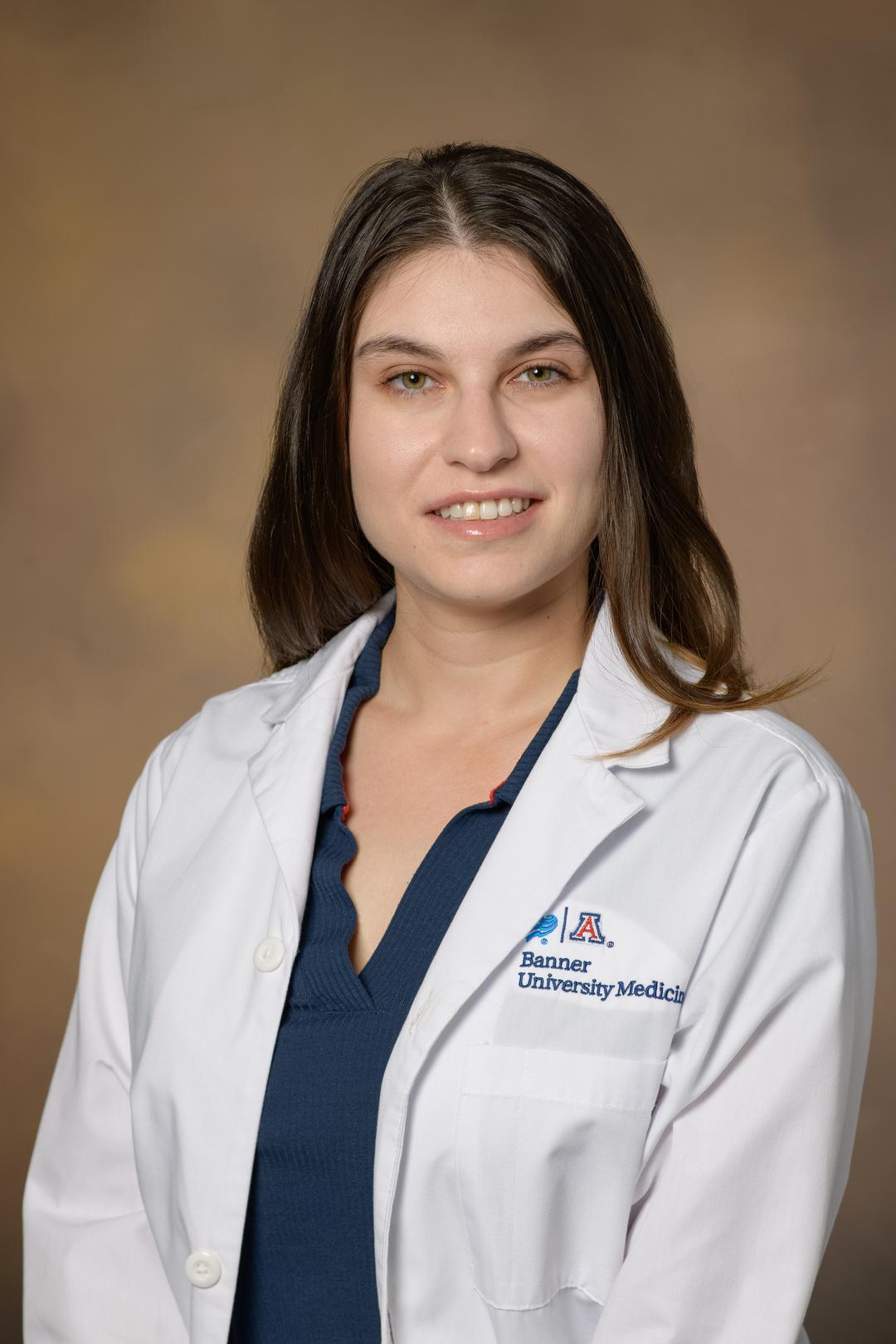
About Me
I am a Biomedical Engineering PhD student at the University of Arizona with research experience in orthopedic surgery, regenerative medicine, wound healing, biomaterials, single-cell RNA sequencing, and histology-based tissue analysis. I am passionate about translating biological discoveries into clinically meaningful technologies, especially for chronic wounds and tissue regeneration.
Current Position
Graduate Research Assistant
Department of Surgery, University of Arizona
Developing biomaterial-based regenerative therapies, microfluidic wound models, and computational approaches to study pressure ulcer pathogenesis, tissue regeneration, and wound healing mechanisms.
Current Research Interests
Featured Projects
Nanosilk for Pressure Ulcer Prevention
Investigating how topical silk fibroin modulates fibroblast activation, macrophage resolution, ECM remodeling, and regenerative healing after pressure-induced injury.
Single-Cell Wound Healing Analysis
Using scRNA-seq, Seurat, CellChat, and pathway analysis to identify cellular mechanisms of wound repair, inflammation resolution, and angiogenesis.
AI-Assisted Histology Analysis
Developing a digital pathology workflow to quantify collagen deposition, immune infiltration, angiogenesis, and tissue damage from histology slides.
Technical Skills
Experimental Skills
Computational & AI
Research Presentations
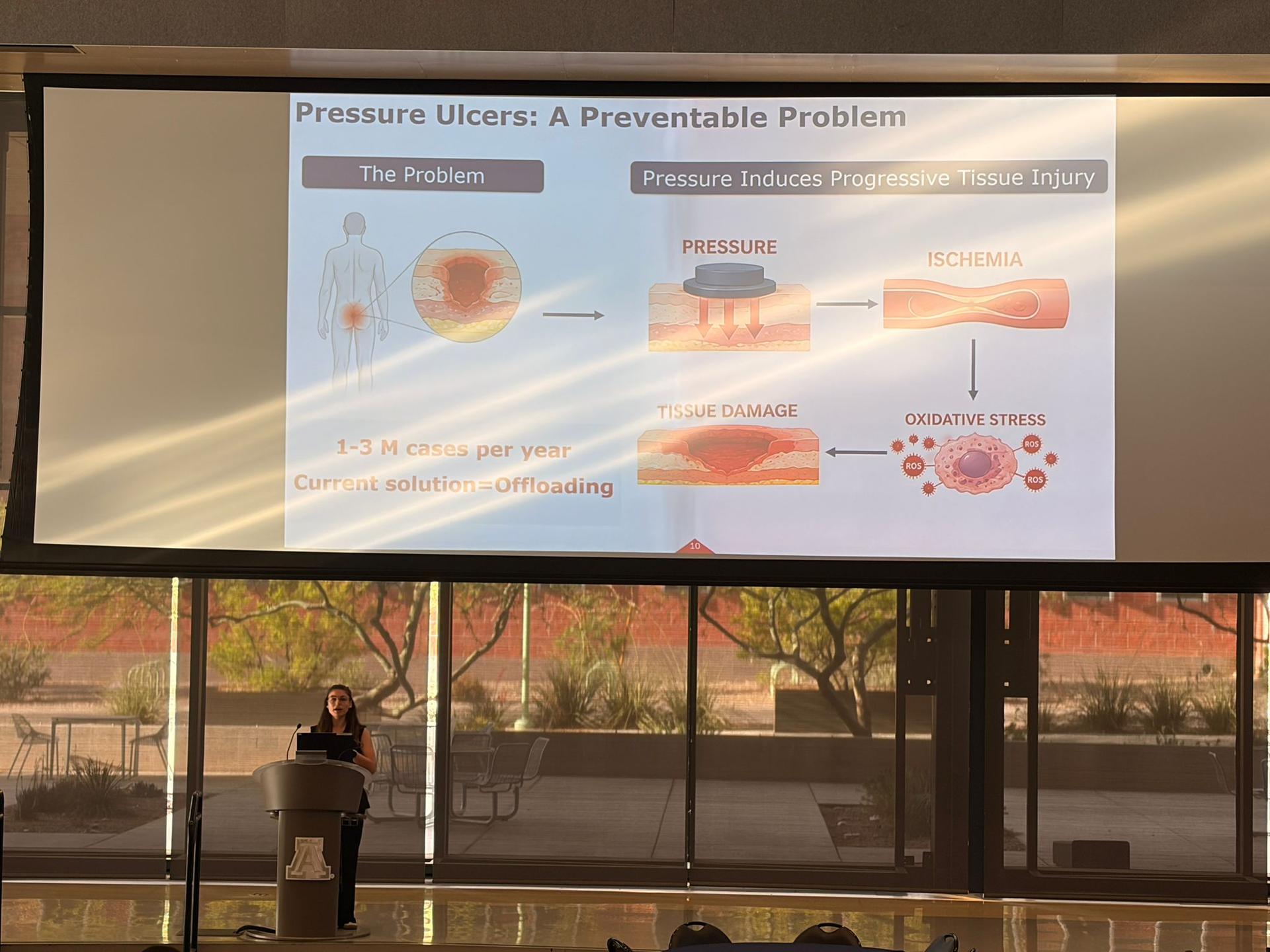
Department of Surgery Research Day
Presented research on "Topical Silk Fibroin Reprograms Fibroblast and Macrophage Responses to Promote Regenerative Healing in Pressure Ulcers" at the University of Arizona Department of Surgery Research Day.
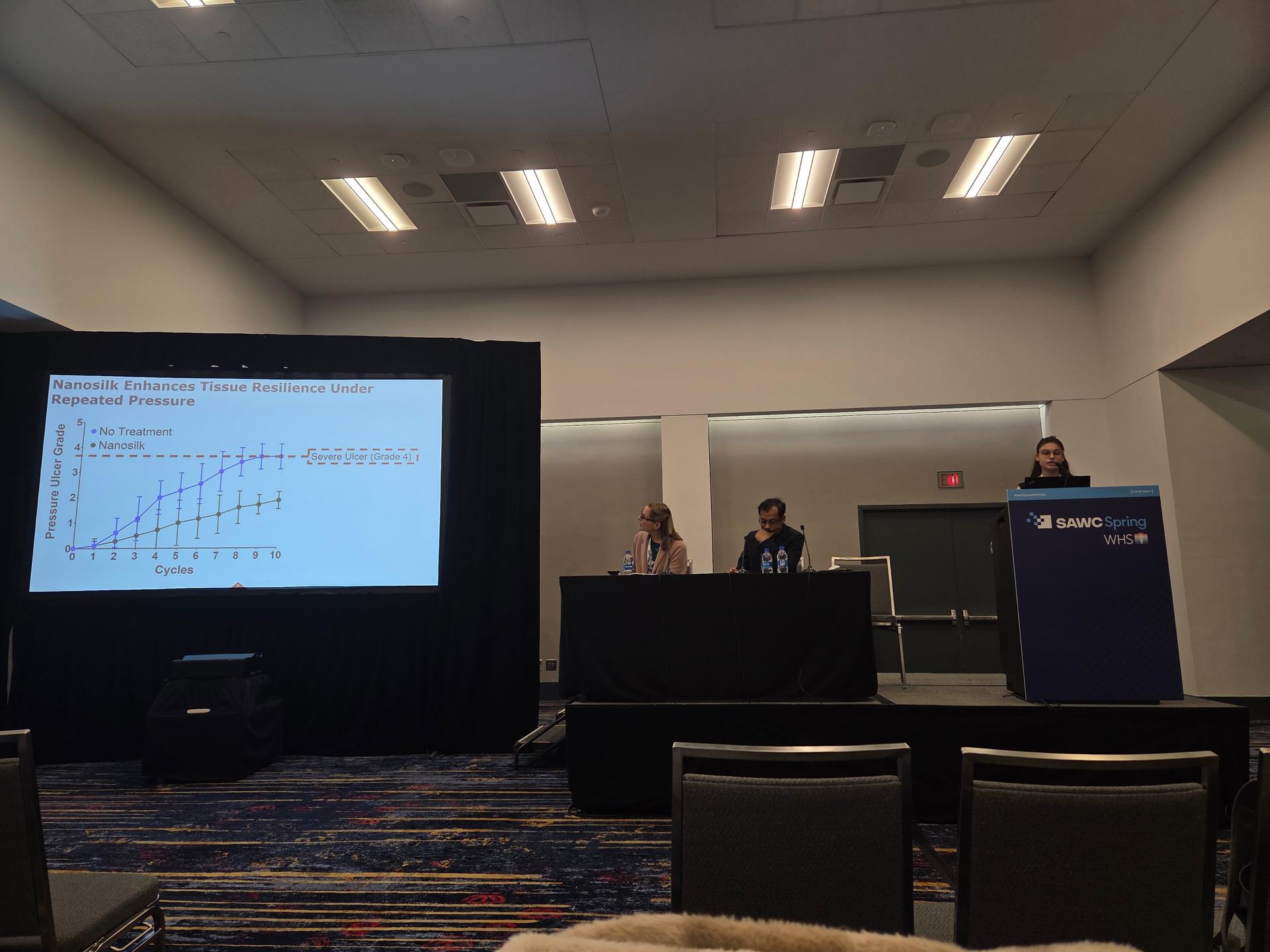
Wound Healing Society (WHS)
Delivered an oral presentation on "Silk Fibroin-Based Gel Reprograms Fibroblast and Macrophage Responses to Promote Regenerative Healing in Pressure Ulcers" at the Wound Healing Society conference in Charlotte, NC.
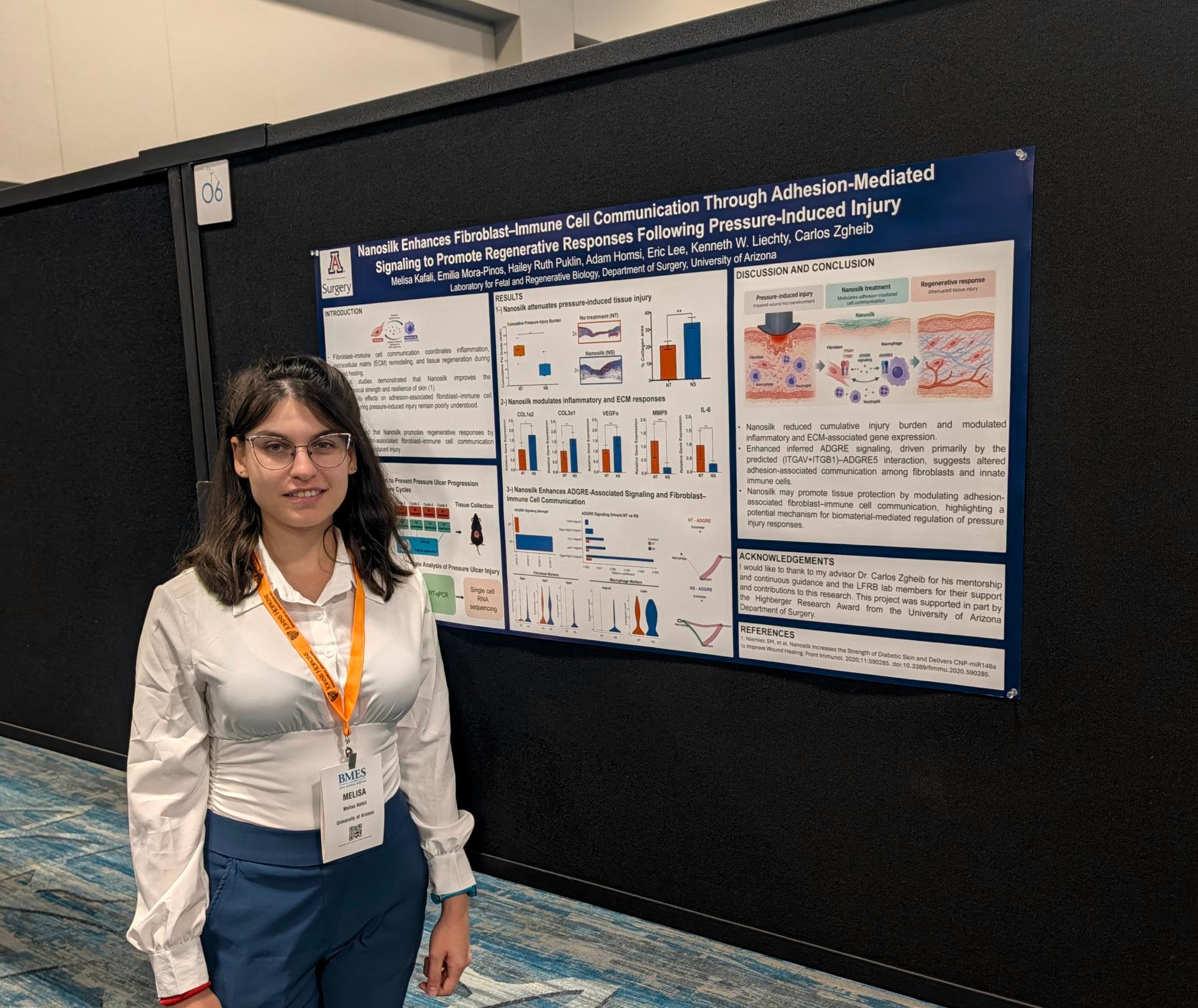
Biomedical Engineering Society (BMES) Conference
Presented a poster on how NanoSilk modulates communication between fibroblasts and immune cells in a preclinical model of pressure injury at the 2026 BMES Annual Meeting in Orlando, Florida.
Research Presentations
Department of Surgery Research Day
Presented research on "Topical Silk Fibroin Reprograms Fibroblast and Macrophage Responses to Promote Regenerative Healing in Pressure Ulcers" at the University of Arizona Department of Surgery Research Day.
Wound Healing Society (WHS)
Delivered an oral presentation on "Silk Fibroin-Based Gel Reprograms Fibroblast and Macrophage Responses to Promote Regenerative Healing in Pressure Ulcers" at the Wound Healing Society conference in Charlotte, NC.
Biomedical Engineering Society (BMES) Conference
Presented a poster on how NanoSilk modulates communication between fibroblasts and immune cells in a preclinical model of pressure injury at the 2026 BMES Annual Meeting in Orlando, Florida.
Publications
CNP-miR146a Promotes NRF2-Related Ferroptosis-Protective Myeloid Programs and Immune–Vascular Regeneration in Diabetic Wounds
Kafali M, et al. · First author · Pharmaceutics, 2026, 18(9), 1116
Antibacterial Properties and Osteoblast Interactions of Microfluidically Synthesized Chitosan – SPION Composite Nanoparticles
Kafalı M, et al. Development and characterization of advanced biomaterial systems for biomedical applications.
View PublicationReceived Most Cited Article certification.
Multifunctional POSS-based Nanoparticles Functionalized with Silver, SPIONs, and Rhamnolipid for Antibacterial Applications
Kafalı M, et al. Advanced biomaterials and translational regenerative medicine applications.
View PublicationStructural, Cytocompatibility and Antibacterial Evaluation of DMAHDM-Modified Dental Resin Matrices for Bulk-Fill Applications
Kafalı M, et al. Biomaterial engineering and polymer applications for biomedical systems.
View PublicationConference Abstracts & Presentations
Preventive Silk Fibroin Reprograms Macrophage Responses to Protect Against Pressure Injury
Accepted for oral presentation · 22nd Annual Academic Surgical Congress · February 9–11, 2027 · Washington, DC
Nanosilk Enhances Fibroblast–Immune Cell Communication Through Adhesion-Mediated Signaling to Promote Regenerative Responses Following Pressure-Induced Injury
Accepted for poster presentation · Biomedical Engineering Society (BMES) 2026 Annual Meeting · October 21–24, 2026 · Orlando, FL
Silk Fibroin-Based Gel Reprograms Fibroblast Toward A Regenerative Phenotype to Prevent Pressure Ulcers
Accepted for oral presentation · WHS 2026 Meeting · April 8–11, 2026 · Charlotte, NC
View AbstractCXCR4 Agonist UCUF-965 Restores Angiogenic and Immune Function Through Malat-1 Driven Regenerative Pathways in Diabetic Wounds
Accepted for oral presentation · WHS 2026 Meeting · April 8–11, 2026 · Charlotte, NC
View AbstractAwards & Recognition
University of Arizona Student Forge Award
Awarded University of Arizona Student Forge funding for NuevaNephTech, a biotech startup focused on developing kidney-on-chip disease models and translational biomedical technologies.
Certificates & Recognition
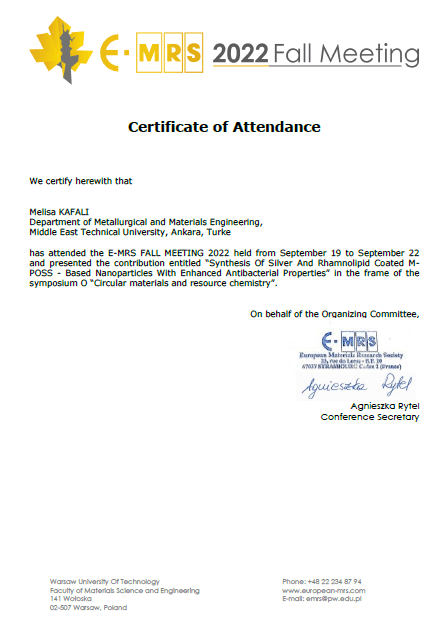
E-MRS International Presentation
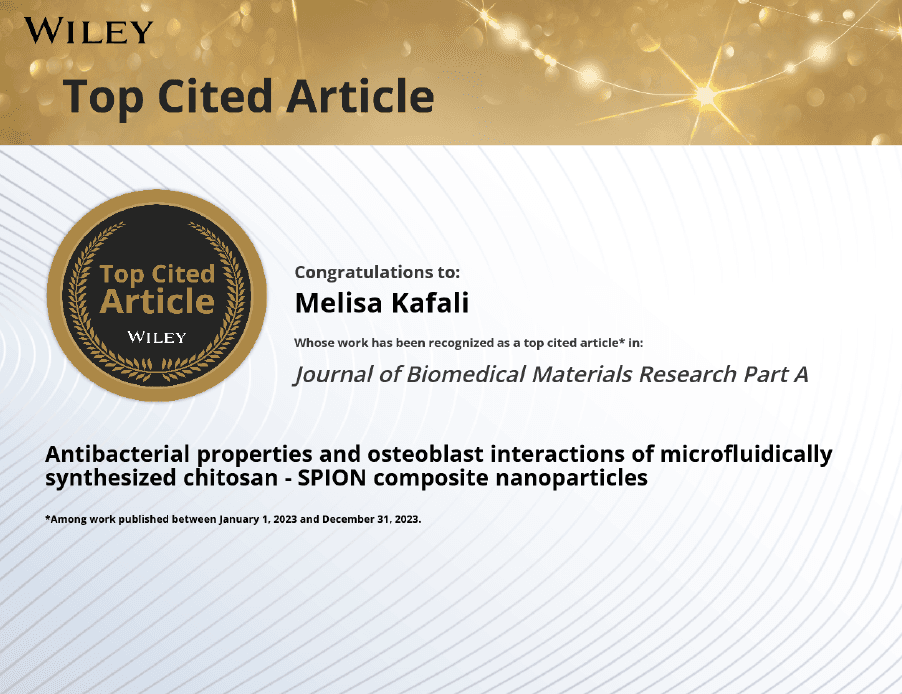
Wiley Top Cited Article
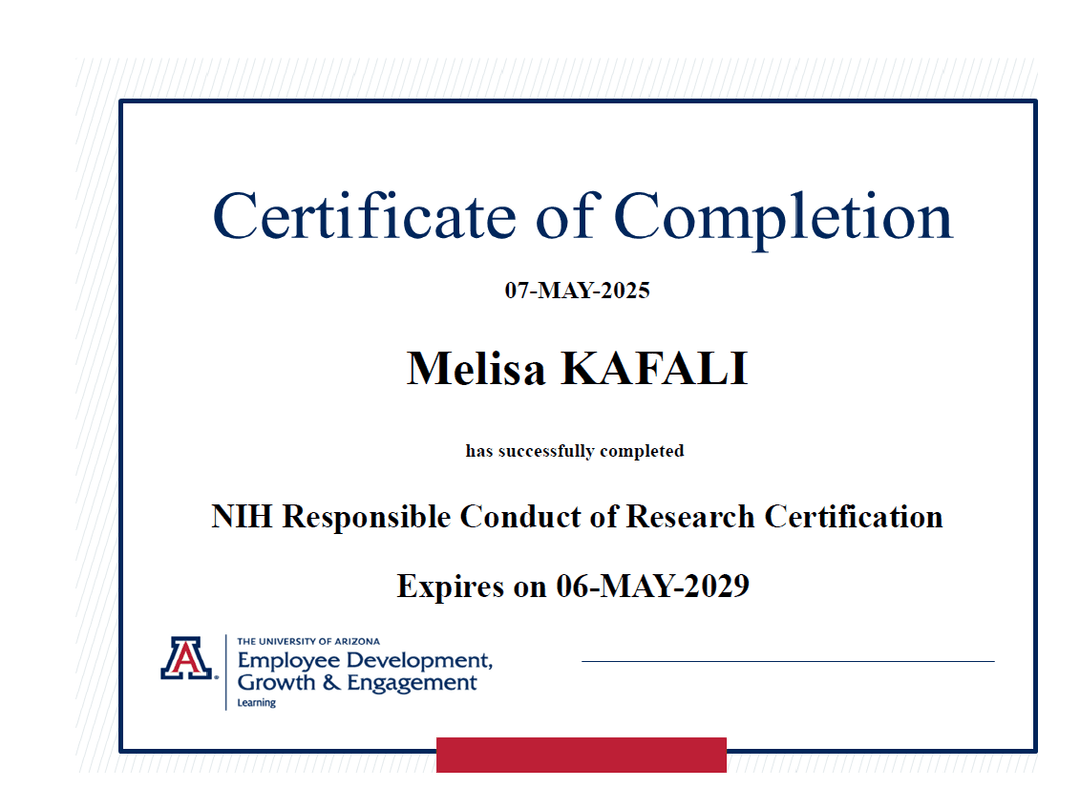
NIH Responsible Conduct of Research
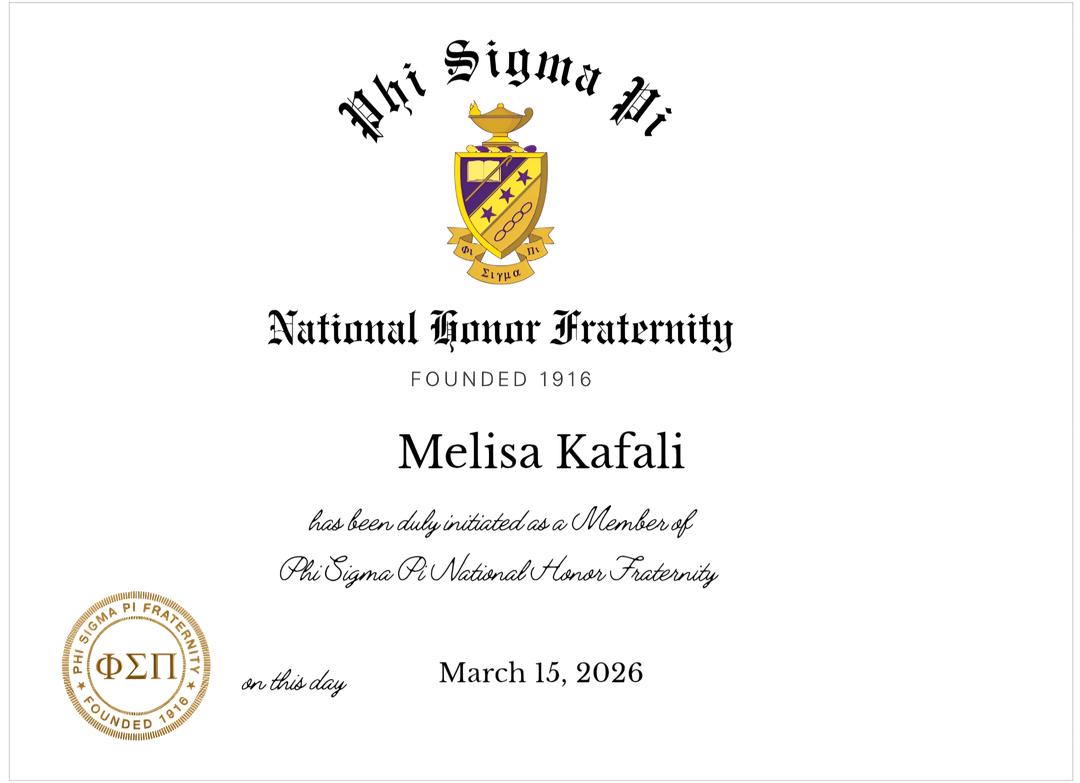
Phi Sigma Pi Certificate
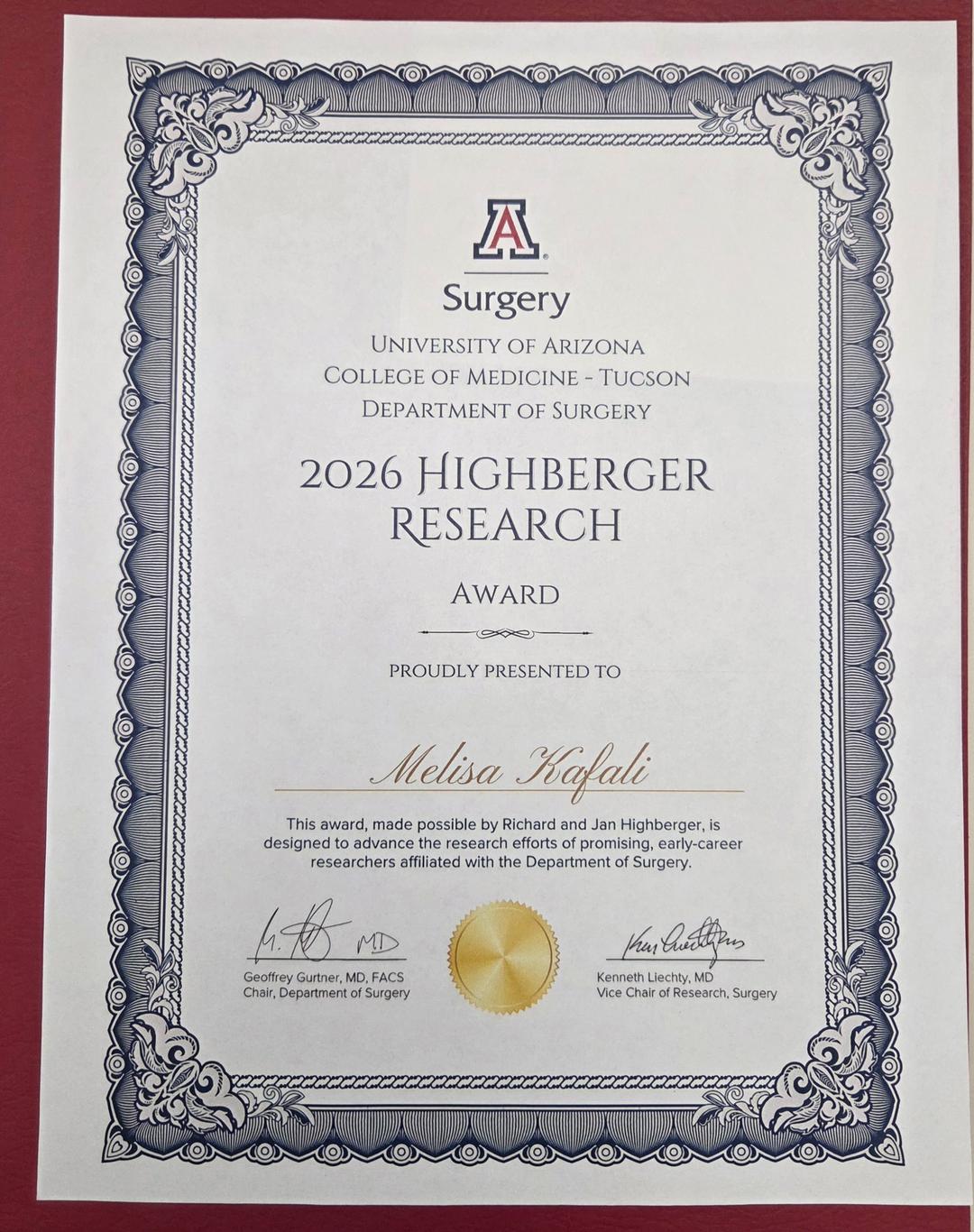
Highberger Research Award
Contact
Interested in biomedical AI, regenerative medicine, wound healing, or translational biomaterials? Let’s connect.